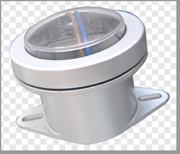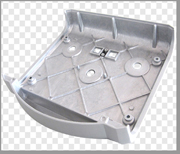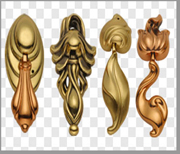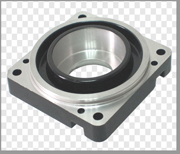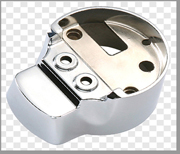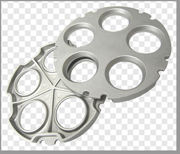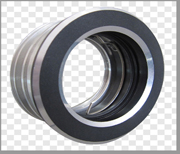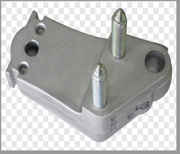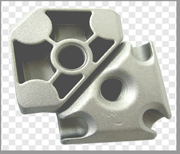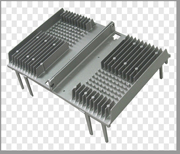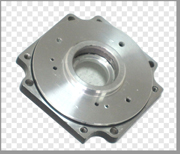


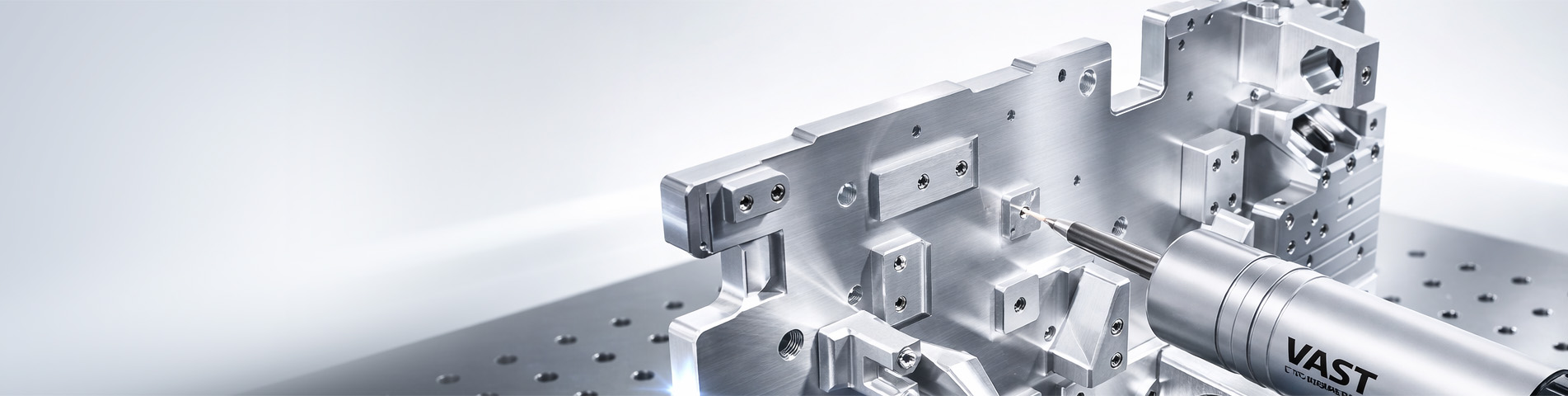
Zinc Alloy Die Casting
The biggest difference between zinc alloy die casting and zinc die casting lies not only in the material composition, but also in the improvement of overall mechanical properties.
By adding alloying elements such as aluminum, copper, and magnesium, zinc alloy die castings show significant improvements in strength, hardness, wear resistance, and corrosion resistance.
This allows it to withstand more demanding usage environments and gives the product design greater freedom.
Material Properties of Zinc Alloy Die casting
The most commonly used zinc alloy series is the Zamak series (such as Zamak 3, Zamak 5, Zamak 2). Each grade has its own emphasis on strength, ductility and fluidity. We will recommend the most suitable material based on product requirements.
The core advantages of zinc Alloy Die Casting
- Zinc alloys have excellent fluidity and can fill thin-walled structures of less than 0.6 mm, making them suitable for manufacturing appearance parts, structural parts, and precision functional parts.
- Zinc alloy has moderate hardness, high efficiency in secondary processing such as CNC cutting, tapping, and drilling, is not prone to tool breakage, and processing costs are controllable.
- It supports various surface treatments such as electroplating (nickel, chromium, gold), powder coating, spray painting, and chemical plating to meet appearance and functional requirements.
- The composition of each batch of materials is strictly controlled, and the use of automated die-casting equipment ensures dimensional consistency and stable appearance quality.
Application Industries and Typical Products
Zinc alloy die castings are widely used in:
- 3C Electronics: Laptop Hinges, Connector Housings, Heat Dissipation Components
- Automotive Parts: Door Handles, Dashboard Structural Components
- Communication Equipment: Base Station Casing, Antenna Mounting Components
- Precision Mechanisms: Gearbox Housing, Precision Positioning Components
- Consumer Products: Locks, Fine Hardware Accessories
Jeou Her Dar Advantages
- Provide DFM manufacturability analysis during the mold design phase
- A complete dimensional report and sample confirmation will be provided after the trial molding.
- Regular random checks are conducted during mass production to ensure consistent quality across batches.
- Integrating CNC post-processing and surface treatment, providing one-stop delivery.
Provide drawings or samples, and we will respond with an evaluation report and quotation as soon as possible.